
Less than eight months. That’s how long Queensland homeowners have to meet the state’s final smoke alarm compliance deadline, and industry experts are sounding the alarm (quite literally) about how many properties are still not up to standard. If you’re an owner-occupier in Queensland and you haven’t yet upgraded your smoke alarms, this article is for you.
What the law requires from 1 January 2027
Queensland’s smoke alarm legislation has been introduced in phases since 2017, following the devastating 2011 Slacks Creek house fire that claimed 11 lives. Earlier phases already brought rental properties, new builds, and homes being sold into line. The final phase, applying to all remaining owner-occupied homes, comes into force on 1 January 2027.
From that date, every Queensland dwelling must have:
- Photoelectric smoke alarms compliant with AS 3786:2014, ionisation alarms are not permitted
- Interconnected alarms, so that when one sounds, all alarms in the home sound together
- Alarms that are either hardwired into mains power or powered by a non-removable 10-year battery
- Alarms installed in every bedroom, in hallways connecting bedrooms to the rest of the home, and on every storey
For the full breakdown of what applies to your specific situation, whether you’re a homeowner, landlord, or are building or renovating, visit our Queensland compliance guide.
The scale of the problem
There are estimates that somewhere between 70% and 80% of owner-occupied Queensland properties are yet to meet the standard. That’s potentially more than one million homes, with fewer than eight months on the clock.
The pattern installers are seeing is telling. Many homeowners believe they’re already compliant because they have one or two smoke alarms fitted. But one or two alarms almost never meets the 2027 requirements. A typical four-bedroom home needs alarms in all four bedrooms, in the hallway, and potentially on multiple storeys, all interconnected, all photoelectric.
Installers across Queensland are flagging a real risk of supply and contractor shortages as the deadline approaches. Professional installation for a four-bedroom home currently runs between $800 and $1,000. Leave it until late 2026, and availability, and pricing may look very different.
What happens if you’re not compliant?
Beyond the risk to life, there’s a financial risk that many homeowners aren’t aware of. The Insurance Council of Australia has warned that if a fire occurs and an insurer finds that non-compliant smoke alarms contributed to the damage, this can affect how the claim is assessed. Non-compliance doesn’t automatically void a policy, but it can become a factor in the outcome of a claim.
Queensland Fire Department superintendent Mark Halverson has emphasised that the early warning interconnected alarms provide is what gives people real time to evacuate safely. That early warning is exactly what the legislation is designed to guarantee.
Why photoelectric? Why interconnected?
There are two main types of residential smoke alarms: photoelectric and ionisation. Queensland’s legislation mandates photoelectric, and for good reason. Photoelectric alarms use a light beam to detect smoke particles and respond significantly faster to slow, smouldering fires. These are the fires most likely to develop overnight, while a household is asleep.
Ionisation alarms react more quickly to fast-flaming fires but can be slower to detect the type of smouldering fire that gives occupants the least time to escape. For a deeper look at the technology, see our article on the difference between photoelectric and ionisation smoke alarms.
Interconnection is the other critical requirement. When one alarm detects smoke, every alarm in the home activates simultaneously. This matters most for occupants who are furthest from the fire source, a child asleep in a back bedroom won’t hear an alarm triggering in the kitchen hallway unless all alarms are linked.
CAVIUS’s wireless interconnected smoke alarms are designed precisely for this requirement. Alarms connect wirelessly to one another, no cables through walls, no electrician required for the interconnection itself, making compliance far simpler than many homeowners expect.
The CAVIUS Wireless Family: built for Queensland compliance
Our flagship Wireless Family range was built to meet exactly these kinds of requirements. Each alarm features CAVIUS CORE technology, an optimised photoelectric detection chamber with bespoke fire detection software and dual mesh screening to reduce false alarms caused by insects and dust.
The range includes:
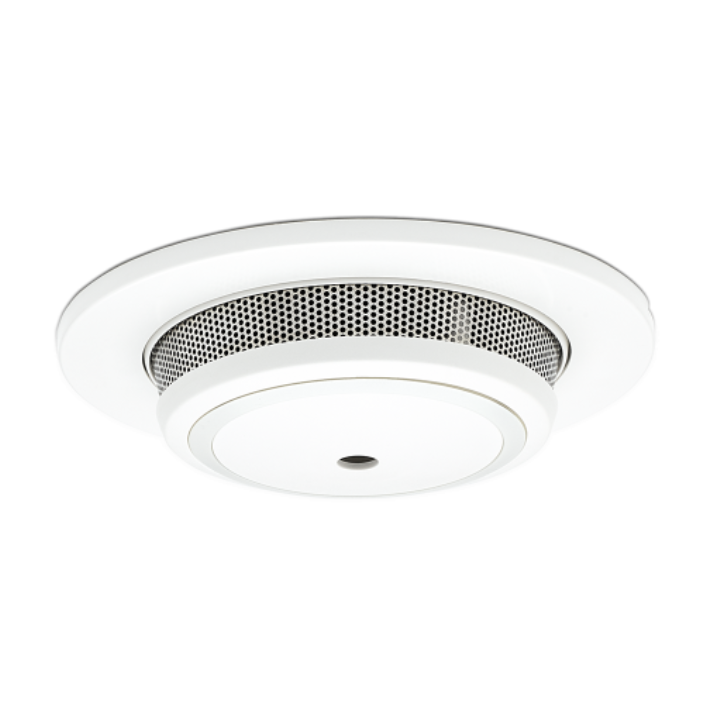
10-Year Battery Operated Photoelectric Smoke Alarm (Flush or Recessed)
The most popular choice for Queensland homeowners meeting the 2027 deadline. Wireless interconnection, 10-year non-removable battery, AS 3786:2014 compliant.
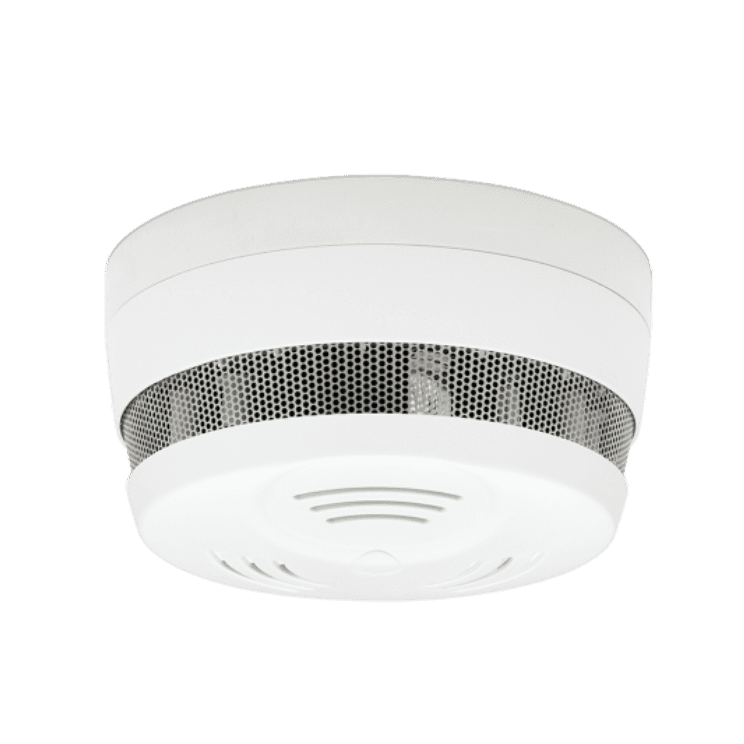
Mains Powered Photoelectric Smoke Alarm
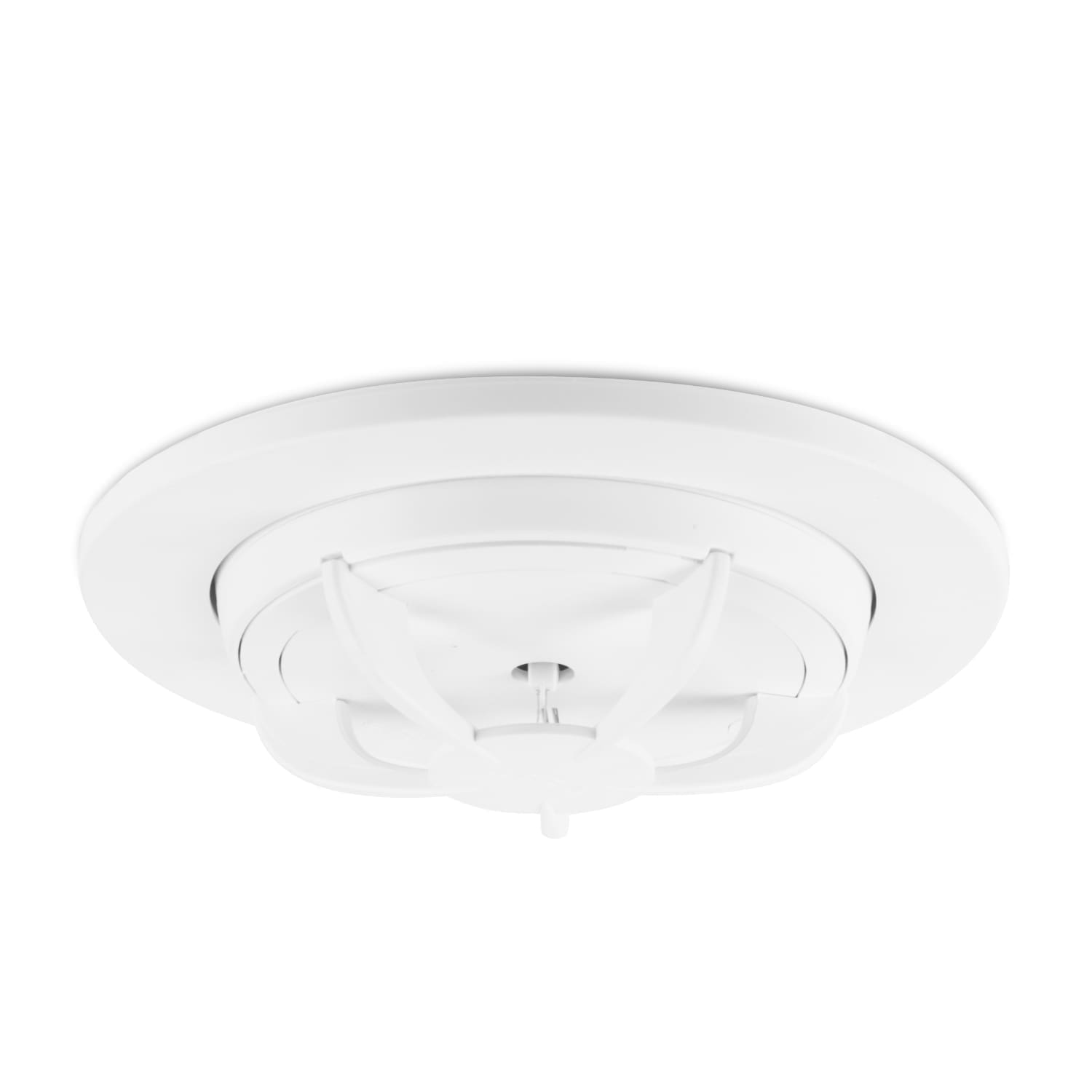
10-Year Battery Operated Heat Alarm
For kitchens and garages where a smoke alarm is unsuitable, and interconnects with the full Wireless Family range.
All Wireless Family alarms interconnect with each other, meeting Queensland’s requirement for fully interconnected systems without the need for additional wiring.
Act now, don’t get caught in the rush
A few practical steps to take right now:
- Count your current alarms and map where they are. Do you have coverage in every bedroom, every hallway, and on every storey?
- Check your alarm type. If your existing alarms have a radioactive symbol on the casing, they’re ionisation alarms and must be replaced.
- Check your alarm age. Queensland law already required alarms manufactured more than 10 years ago to be replaced. If your alarms predate 2015, they need to go now.
- Check interconnection. Are your current alarms wired or wireless? The ‘like for like’ rule applies — if replacing a hardwired alarm, it must be replaced with a hardwired alarm.
If you’re unsure about any of this, our FAQ and support page covers common questions about installation, compliance, and the legislation in detail. If you have any questions or comments about any of our products, please feel free to contact us and we’ll get back to you as soon as we can.
Source: Queensland smoke alarm rush looms, Insurance Business Australia, May 2026.
